
A conveyor that can’t climb is a conveyor that needs more floor space, more transfer points and more money. That is the whole reason chevron belts exist. When a project has to lift sand, stone or grain up a slope without it rolling back, the belt surface has to do the gripping, and the right pattern does it better than almost anything else. Buyers who source overseas quickly find that not all chevron conveyor belt suppliers build to the same standard, and the gap shows up months later on site.
Chevron belts, also called V-pattern or cleated belts, look simple. The ribs are only a few centimetres tall. Yet those ribs decide whether a belt runs at a steady incline all year or spills half its load on the first wet day. This guide is written for the person who has to approve the purchase, not the one who already knows every rubber compound by heart.

Why Chevron Conveyor Belts Are Used in Bulk Material Handling
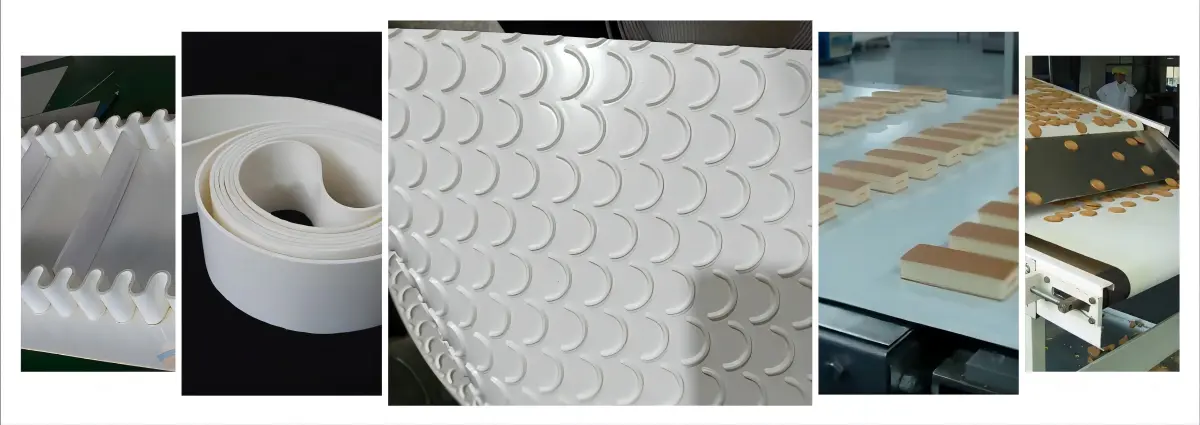
A chevron belt has raised rubber ribs moulded or vulcanised onto the carrying surface in a V shape, with the point facing the direction of travel. The V funnels material toward the centre instead of letting it slide sideways, and each rib works as a small shelf that holds the load in place. Height, spacing and angle all change how steep the belt can go.
On a smooth belt, most bulk materials start slipping somewhere around 18 to 20 degrees. Cleated patterns push that to about 30 degrees, and taller designs go further with dry, free-flowing material. That is why chevron belts save so much space on a site. You can feed from a lower point, climb in a shorter distance and skip an extra transfer tower.
Quarries, sand plants, cement works, recycling yards, fertiliser plants and port terminals depend on them. Anywhere material has to rise and the budget does not allow a bucket elevator, a chevron belt is usually the first option. Before ordering, read through the chevron conveyor belt specifications so you know how rib height, pitch and ply rating affect each other.

Applications in Mining, Quarrying, and Construction
Stone and aggregate are the classic jobs. Crushed rock is heavy, sharp and loaded from a height, which punishes any belt with weak covers. Chevron belts here usually carry a thicker top cover and a tighter fabric ply so the ribs survive the impact without tearing away from the base. Pitch the ribs too tight and they trap fines, and too wide and the load slumps between them.
Sand and gravel are easier on the rubber but harder on the process. Wet sand flows almost like a liquid, so a shallow rib will not hold it. Washing plants normally choose taller, wider-spaced cleats and keep the angle conservative, because a belt that sheds sand backward on the return side wastes the whole benefit.
Coal and mineral processing adds dust, moisture and sometimes fire rules. Underground, the belt may need flame and antistatic properties on top of the cleats. On surface stockpiles, abrasion resistance matters more than anything else.
Cement and industrial material movement sits somewhere in between. Clinker is hot and abrasive, while dry cement powder is light and fluid, so the pattern that suits one is wrong for the other. Ports and power plants bring their own mix of coal, ore and fertiliser to the same belt. A supplier who asks what you are moving before quoting is usually worth talking to. One who quotes straight away from a catalogue code is guessing.


What Global Buyers Look for in Chevron Conveyor Belt Suppliers
Price gets most of the attention in a tender, but it is rarely what decides whether a supplier gets a second order. Buyers who have been burned once tend to look at three things before they look at the quote. A good Chevron rubber belt is only as good as the factory that vulcanised it, and the Chevron rubber belt paperwork should prove that.
Manufacturing Capacity
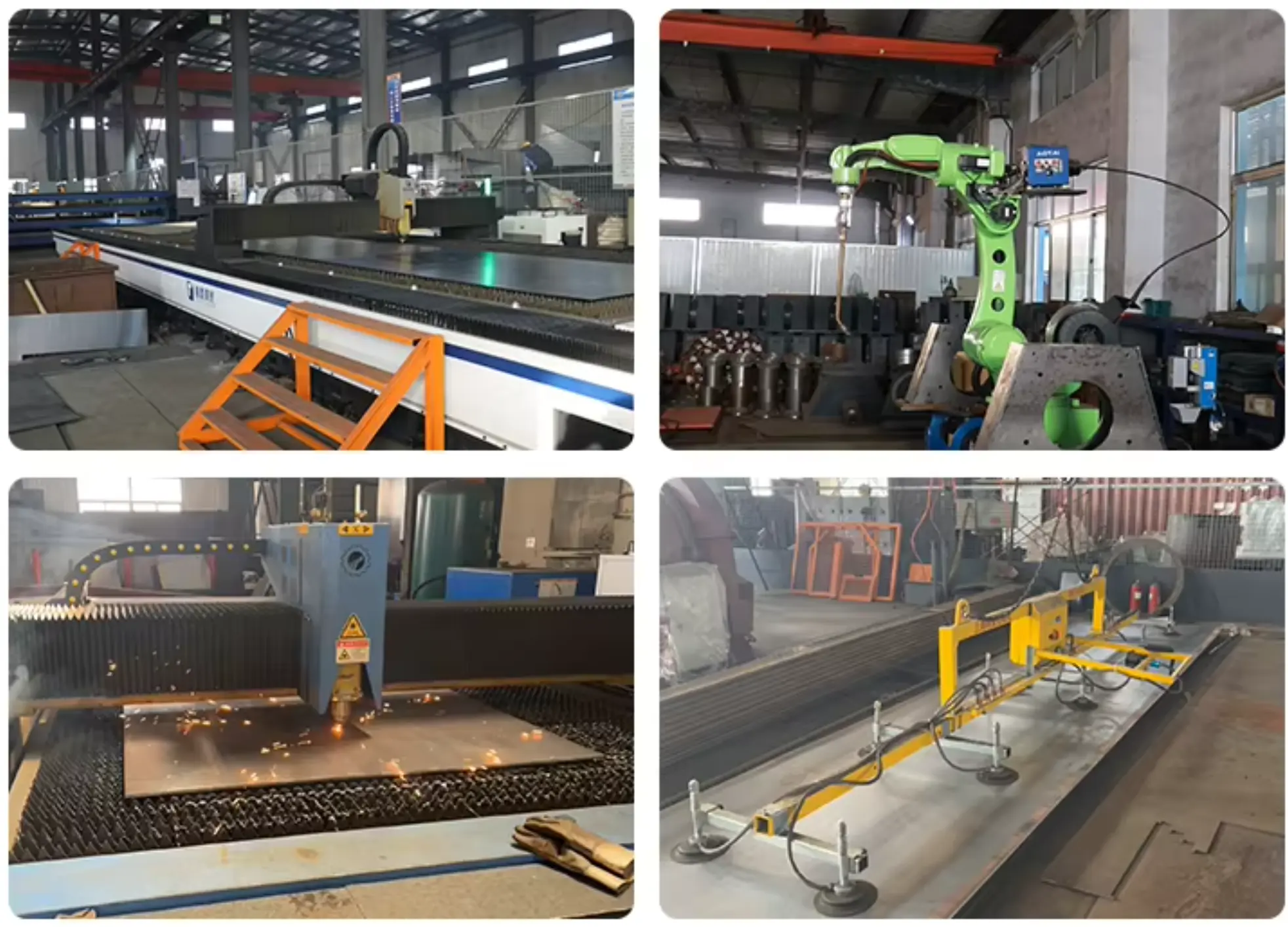
Ask how many presses the factory runs, what the monthly output is and what the longest continuous length they can vulcanise. A project needing 40,000 metres over six months will stretch a small workshop, and splitting an order across suppliers brings batch differences that show up as uneven wear. Consistency matters more than peak capacity. Ask for production records from similar orders, not a brochure.

Belt Specifications
Standard widths run from 400 mm to 2,000 mm, with fabric grades such as EP200, EP300 and EP400 for general work and steel cord for long, heavy lifts. Cleat heights usually fall between 10 and 40 mm, with pitch set around the head pulley diameter. Custom work is where suppliers really differ. Special cleat heights, cut edges, sidewalls added to a chevron base or odd widths for old machines should be answered with a drawing, not a promise.
Certifications and Testing
ISO 9001:2015 is the baseline, and the certificate should be current and show the factory name, not a trading company. Beyond that, ask for adhesion, tensile and abrasion test reports from the same batch you are buying. DIN 22102 or equivalent standards are worth requesting if the project specification names them. A rib that peels at the base is the most common chevron complaint, so ask how cleat bonding is tested.
Inspection should happen before packing. Third-party inspection from SGS or Bureau Veritas is cheap compared with rejecting a container on arrival, and a supplier who resists it is telling you something.
Managing Export Logistics for Large Projects
Winning the order is the easy half. Moving 60 tonnes of rubber across oceans without damage takes planning. Belts are usually rolled on wooden or steel cores, wrapped in waterproof film and strapped, and long rolls are handled carefully so the cleats are not crushed. Heavy rolls need a forklift with a ram or a crane, so confirm your site has one before the container arrives.
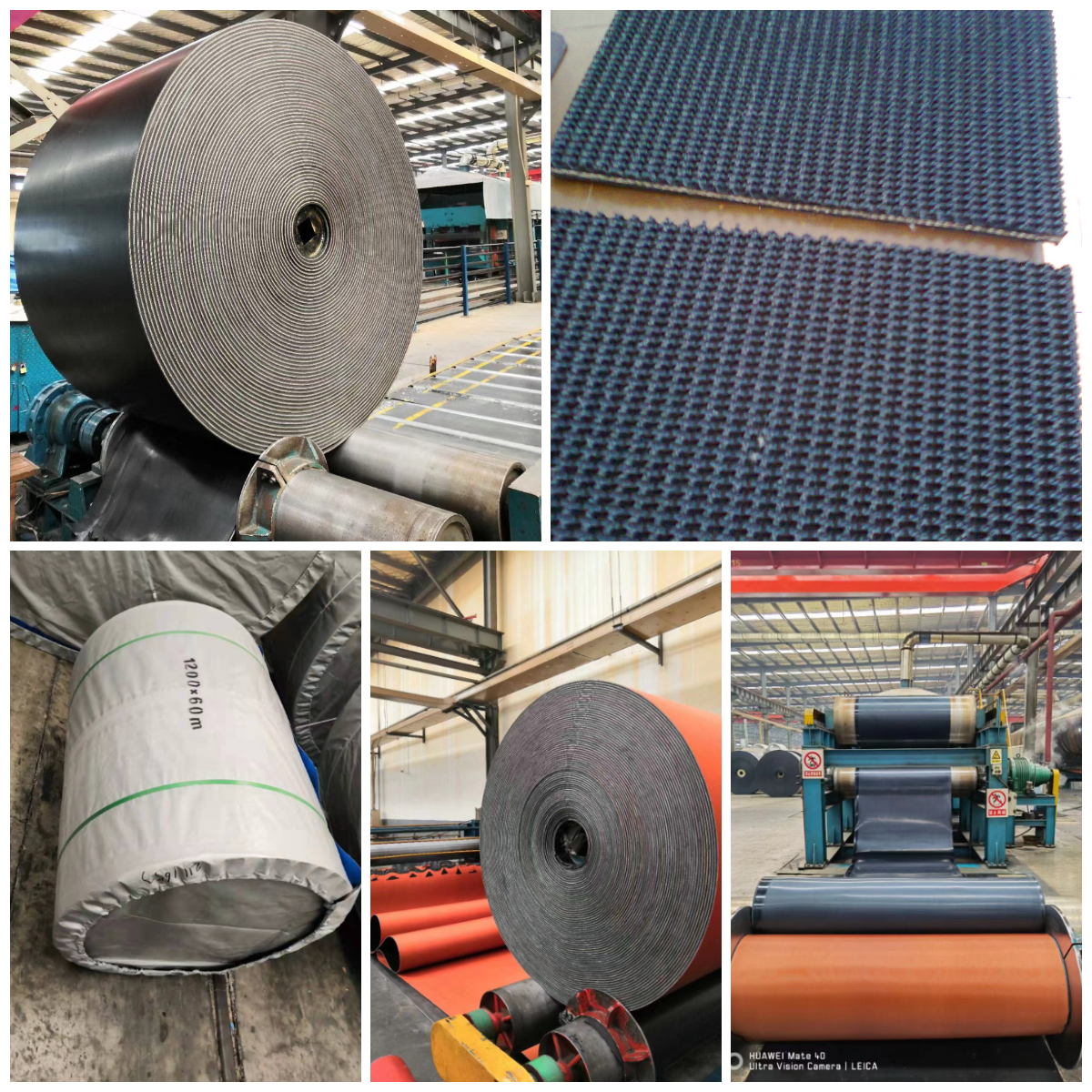
Container loading deserves attention too. A 20-foot container holds several rolls, but weight limits are reached before space runs out, so ask the supplier for a loading plan. Mixed orders with rollers and splicing kits should be packed so the heavy items sit at the bottom and nothing can shift in rough seas.
Documents slow more projects than shipping does. Confirm the commercial invoice, packing list, certificate of origin and test certificates are ready before dispatch, and say which Incoterm you want. If the destination is a freezing site in Russia or Central Asia, mention that at the order stage, since a cold resistant conveyor belt uses a different compound and the rubber needs to be stored correctly before installation.

OEM and Distributor Opportunities
Most of Monster Belting’s turnover comes from resellers and OEM partners, so this side of the business gets real attention. Private label work means the belt carries your brand on the cover or edge, with your own packaging and datasheets. It lets a distributor build a name without owning a factory, though it only works if the supplier keeps quality steady from one order to the next. Ask for sample cuts before committing to a large first order.
Long-term supply deals help with consistency, since a factory that knows your annual volume can schedule production and hold raw materials for you. Technical support is what separates a partner from a vendor. Distributors get questions from end users about splicing, tracking and cleat damage, and they need someone who will answer in hours, not days.

Choosing the Right Chevron Conveyor Belt System
Start with the material, not the catalogue. Dry, free-flowing material like grain or cement suits a low, closely spaced chevron. Wet sand, clay and mixed aggregates need higher, wider ribs with room to discharge. Sticky material can foul any pattern, so be honest about it with your supplier.
Incline angle and capacity pull in opposite directions. A steeper climb means a smaller cross-section carried per metre, so you often end up with a wider belt than you planned. As a rough guide, stay at the lower end of the angle range if the material is wet or the loading is uneven. Squeezing out the last five degrees usually costs more than the extra belt width would have.
Pulley size is often forgotten. Cleats stiffen the belt, so the minimum pulley diameter is larger than for a plain belt, and tight pulleys crack the base of the ribs. Check drum and snub pulley diameters against the supplier’s recommendation before you sign off the drawing.


Rubber compound is the last decision and the one people rush. Natural rubber blends handle abrasion and impact well. Oil, heat and chemical exposure need different covers, and mixing them up is how a two-year belt becomes a six-month belt. Tell the supplier about temperature, oil contact and weather, and send photos if you can. If you would rather talk it through, contact us with your material, capacity and layout, and we will suggest a pattern and compound that fits.